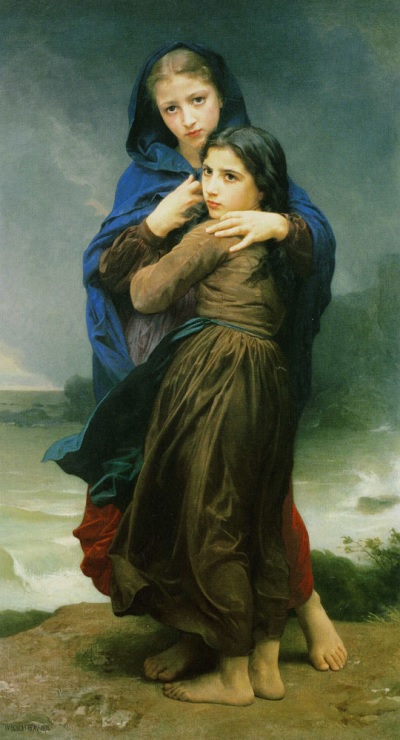
Ainda templo, mãe
Tenho água na saudade
……………………………………………………………
CITANDO VICTOR HUGO | 13-06-2013
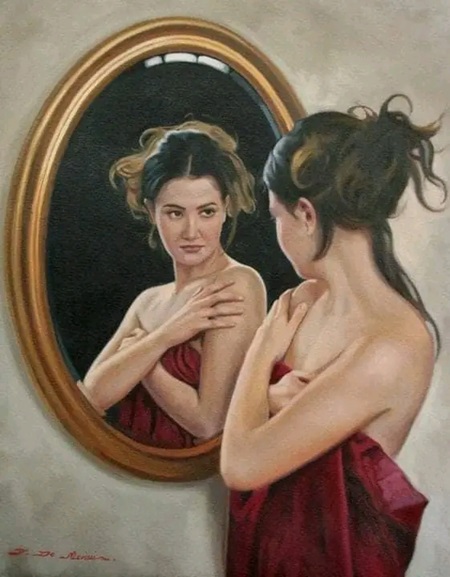
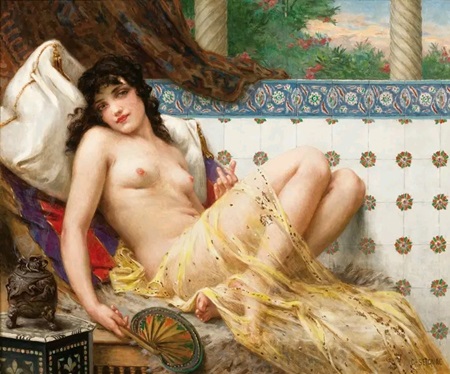
A mulher nua é uma mulher armada
……………………………………………………………
ANTÓNIO LOBO ANTUNES
A cultura é uma coisa apavorante para os ditadores. Um povo que lê nunca será um povo escravo!
……………………………………………………………
TÃO DOCE | MARIA TERESA HORTA
Tão doce quanto secreta
Tem no peito um leopardo
Tão duvidosa e perene
Do coração a pantera
Tão macia quando era
Veneno de beladona
…………………………………………………………
VASCO GRAÇA MOURA | VAI-SE A LASCIVA MÃO
vai-se a lasciva mão devagarinho
era de vento e nuvens, sombras, vinho,
a noite desce e a nudez define-a
memória e amor e música e ciúme
……………………………………………………………
FLORBELA ESPANCA
Eu queria mais altas as estrelas,
Mais amplas, mais rasgadas as janelas
E abrir os braços e viver a vida:
E, acabada a tarefa… em paz, contente,
……………………………………………………………
E quando me escrevias, era tão belo o que me contavas que me despia para ler as tuas cartas. Só nua eu te podia ler | Mia Couto
……………………………………………………………
SOPHIA DE MELLO BREYNER ANDRESEN
Pudesse eu não ter laços
……………………………………………………………
SOPHIA DE MELLO BREYNER ANDRESEN
Côncavas de ter
……………………………………………………………
CASIMIRO DE BRITO
Quando os teus joelhos
Tépidos os seios
Cubro-te de flores
Entro e desfaleço
Tentação de beijos
Descendo elevo-me
Degusto encantado
……………………………………………………………
PABLO NERUDA
Saberás que não te amo e que te amo
Amo-te para começar a amar-te,
Amo-te e não te amo como se tivesse
O meu amor tem duas vidas para amar-te.
……………………………………………………………
CHARLES BUKOWSKI
Long walks at night
……………………………………………………………
ALBERTO CAEIRO | FERNANDO PESSOA
Eu nunca guardei rebanhos,
Mas a minha tristeza é sossego
Como um ruído de chocalhos
Pensar incomoda como andar à chuva
E se desejo às vezes
É só porque sinto o que escrevo ao pôr do sol,
Quando me sento a escrever versos
Saúdo todos os que me lerem,
Alberto Caeiro (heterônimo de Fernando Pessoa)
……………………………………………………………
CARLOS DRUMMOMD DE ANDRADE
Amor, amor, amor
……………………………………………………………
CARLOS DRUMMOMD DE ANDRADE
Ausência
Por muito tempo achei que a ausência é falta.
……………………………………………………………
FERREIRA GULLAR | TRADUZIR-SE
Uma parte de mim
Uma parte de mim
Uma parte de mim
Uma parte de mim
Uma parte de mim
Uma parte de mim
Traduzir uma parte
……………………………………………………………
Álvaro de Campos: “Ora porra!”
Ora porra!
Então a imprensa portuguesa é
………………………………………………………………
Federico García Lorca
A las cinco de la tarde.
El viento se llevó los algodones
Un ataúd con ruedas es la cama
………………………………………………………………
To be, or not to be | William Shakespeare
[Hamlet]
To be, or not to be: that is the question:
…………………………………………
INVICTUS
Poema de Inspiração de Nelson Mandela
William Ernest Henley
Out of the night that covers me,
In the fell clutch of circumstance
Beyond this place of wrath and tears
It matters not how strait the gate,
——
INVICTO
William Ernest Henley
Da noite escura que me cobre,
Nas garras ardis das circunstâncias,
Além deste vale de ira e lágrimas,
Não importa quão estreita a passagem,
——
(ver os 2 vídeos sem e com tradução, declamado por Alan Bates)
VIDEO
…………………………………………..
LUÍS VAZ DE CAMÕES
Alma minha gentil, que te partiste
Se lá no assento Etéreo, onde subiste,
E se vires que pode merecer-te
Roga a Deus, que teus anos encurtou,
Luís Vaz de Camões, in “Sonetos”
…………………………………………
POESIA PALACIANA | João Roiz Castell-Branco
Senhora, partem tam tristes
Tam tristes, tam saudosos,
in Cancioneiro Geral de Garcia de Resende (1516)
…………………………………………..
ESTE INFERNO DE AMAR | ALMEIDA GARRETT
Este inferno de amar – como eu amo! –
Eu não sei, não me lembra: o passado,
Só me lembra que um dia formoso
in ‘Folhas Caídas’
…………………………………………
A confissão de um vagabundo | Serguei Iessiênin
Nem todos sabem cantar
Esta é a maior confissão
Não é à toa que eu ando despenteado,
Como eu me lembro bem então
Pobres, pobres camponeses,
Mas sobrevive nele o antigo fogo
Amo a terra.
E tu, meu caro
Sou sempre o mesmo.
Boa noite!
Luz azul, luz tão azul!
Eu quero ser a vela amarela
Expoente de uma ramificação das vanguardas, o Imagismo, Serguei Iessiênin simbolizou a tragédia vivida pelos grandes poetas soviéticos: viveu 30 anos de grande furor literário e pessoal, foi casado com a precursora da dança moderna. Isadora Duncan, e encerrou sua vida suicidando-se num quarto de hotel.
…………………………………………
Ergo uma rosa | José Saramago
Ergo uma rosa, e tudo se ilumina
José Saramago
…………………………………………
POEMA | JOSÉ TOLENTINO MENDONÇA
Perdemos repentinamente
a profundidade dos campos
os enigmas singulares
a claridade que juramos conservar
mas levamos anos
a esquecer alguém
que apenas nos olhou.
in A Noite Abre Meus Olhos
José Tolentino Mendonça
…………………………………………
A Minha Religião é o Novo | Gonçalo M. Tavares
A minha Religião é o Novo.
Gonçalo M. Tavares , in “Investigações. Novalis”
…………………………………………
A LÍNGUA LAMBE | Carlos Drummond de Andrade
A língua lambe as pétalas vermelhas
da rosa pluriaberta; a língua lavra
certo oculto botão, e vai tecendo
lépidas variações de leves ritmos.
E lambe, lambilonga, lambilenta,
a licorina gruta cabeluda,
e, quanto mais lambente, mais ativa,
atinge o céu do céu, entre gemidos,
entre gritos, balidos e rugidos
de leões na floresta, enfurecidos.
Carlos Drummond de Andrade
…………………………………………
Soneto 23 | William Skakespeare
Como no palco o ator que é imperfeito
William Skakespeare
…………………………………………
Temos a arte para não morrer da verdade.
Friedrich Nietzsche
…………………………………………
A uma senhora que me pediu versos | Machado de Assis
Pensa em ti mesma, acharás
Machado de Assis
Devemos julgar um homem mais pelas suas perguntas que pelas respostas.
Voltaire
Ton silence | Malika Mellal
Écouter le silence
Le bruit me sourit
Le bruit du vent dans mes cheveux
Le bruit des jeux d’enfants
Le bruit de ton amour
Comment le silence peut-il me parler
Je préfère les éclats de voix
Malika Mellal février 2018
Copyright@mellalmalika | Gustav Klimt
…………………………………………
A Giganta | Charles Baudelaire
No tempo em que a Natura, augusta, fecundanta,
Gosta de assistir-lhe ao desenvolvimento
Percorrer-lhe a vontade as formas gloriosas,
Eu visse deitar, numa quebreira estranha estranha,
Charles Baudelaire , in “As Flores do Mal”
…………………………………………
Quando um Homem Quiser | José Carlos Ary dos Santos
Tu que dormes à noite na calçada do relento
E tu que dormes só o pesadelo do ciúme
Natal é em Dezembro
Tu que inventas ternura e brinquedos para dar
E tu que vês na montra a tua fome que eu não sei
Ary dos Santos , in ‘As Palavras das Cantigas’
Amor é um Fogo que Arde sem se Ver | Luís Vaz de Camões
Amor é um fogo que arde sem se ver;
É um não querer mais que bem querer;
É querer estar preso por vontade;
Mas como causar pode seu favor
Luís Vaz de Camões , in “Sonetos”
Amo-te Muito, Meu Amor, e Tanto | Jorge de Sena
Amo-te muito, meu amor, e tanto
Que encanto é o teu? Se continua enquanto
um cântico da terra e do seu povo,
tão quase é coisa ou sucessão que passa…
Jorge de Sena , in “Poesia, Vol. I”
Ser ou não Ser | William Shakespeare
Hamlet: Ser ou não ser, essa é a questão: será mais nobre suportar na mente as flechadas da trágica fortuna, ou tomar armas contra um mar de obstáculos e, enfrentando-os, vencer? Morrer — dormir, nada mais; e dizer que pelo sono se findam as dores, como os mil abalos inerentes à carne — é a conclusão que devemos buscar. Morrer — dormir; dormir, talvez sonhar — eis o problema: pois os sonhos que vierem nesse sono de morte, uma vez livres deste invólucro mortal, fazem cismar. Esse é o motivo que prolonga a desdita desta vida.
William Shakespeare , in “Hamlet”
Ausência | William Shakespeare
Sofremos muito com o pouco que nos falta e gozamos pouco o muito que temos.
Três Poemas de João Guimarães Rosa, do livro “Magma”
Gargalhada
Quando me disseste que não mais me amavas,
—
Revolta
Todos foram saindo, de mansinho,
Não trouxe mensagem
Disseram-se que não iria perder nada,
Mas não quero ir para mais longe,
—
Elegia
Teu sorriso se abriu como uma anêmona
Não pude calçar, com beijos os teus pezinhos,
do livro “Magma”
…………………………………………
Mia Couto | Para Ti
Foi para ti
Para ti criei todas as palavras
Para ti dei voz
Mia Couto , in “Raiz de Orvalho e Outros Poemas”
—
Mia Couto | Pergunta-me
Pergunta-me
Pergunta-me
Pergunta-me
Qualquer coisa
Mia Couto , in ‘Raiz de Orvalho’
…………………………………………
José Gomes Ferreira | (Junto a minha voz ao coro dos poetas mais novos.
Não, não queremos cantar
Preferimos andar aos gritos
Aos gritos como os pescadores quando puxam as redes
Aos gritos, sim, aos gritos.
E não há melhor orgulho
José Gomes Ferreira
…………………………………………
O pássaro azul | Charles Bukowski
há um pássaro azul em meu peito
Tradução: Pedro Gonzaga
…………………………………………
Tive amigos que morriam, amigos que partiam
Sophia de Mello Breyner Andresen
…………………………………………
É um privilégio feminino ser insensata.
Marlene Dietrich
…………………………………………
Uma guitara perpetua o verão | maria isabel fidalgo
Longínqua, uma guitarra perpetua o verão
maria isabel fidalgo
…………………………………………
A Náusea | Jean Paul Sartre
Os homens. É preciso amar os homens. Os homens são admiráveis. Sinto vontade de vomitar – e de repente aqui está ela: a Náusea. Então é isso a Náusea: essa evidência ofuscante? Existo – o mundo existe -, e sei que o mundo existe. Isso é tudo. Mas tanto faz para mim. É estranho que tudo me seja tão indiferente: isso me assusta. Gostaria tanto de me abandonar, de deixar de ter consciência de minha existência, de dormir. Mas não posso, sufoco: a existência penetra em mim por todos os lados, pelos olhos, pelo nariz, pela boca… E subitamente, de repente, o véu se rasga: compreendi, vi. A Náusea não me abandonou, e não creio que me abandone tão cedo; mas já não estou submetido a ela, já não se trata de uma doença, nem de um acesso passageiro: a Náusea sou eu.
Jean-Paul Sartre
…………………………………………
Jean Paul Sartre | Pensamento
É preciso explicar por que o mundo de hoje, que é horrível, é apenas um momento do longo desenvolvimento histórico e que a esperança sempre foi uma das forças dominantes das revoluções e das insurreições. E eu ainda sinto a esperança como minha concepção de futuro.
Jean-Paul Sartre
…………………………………………
Simone de Beauvoir | Pensamento
Não mais me deitar no feno perfumado ou deslizar na neve deserta.
Simone de Beauvoir
…………………………………………
O Captain! My Captain! | BY WALT WHITMAN
O Captain! my Captain! our fearful trip is done,
O Captain! my Captain! rise up and hear the bells;
My Captain does not answer, his lips are pale and still,
WALT WHITMAN | Source: Leaves of Grass (David McKay, 1891)
…………………………………………
A FLOR | ALMADA NEGREIROS
Pede-se a uma criança. Desenhe uma flor! Dá-se-lhe papel e lápis. A criança vai sentar-se no outro canto da sala onde não há mais ninguém.
Depois a criança vem mostrar estas linhas às pessoas:
As pessoas não acham parecidas estas linhas com as de uma flor.
Almada Negreiros
…………………………………………
LETANÍA DE MIS DEFECTOS | Guadalupe Teresa Amor Schmidtlein
“Soy vanidosa, déspota, blasfema,
Guadalupe Teresa Amor Schmidtlein
…………………………………………
As balas | Fernando Assis Pacheco
São de ferro. Ou de aço?
Diz-se que fazem assim
Fernando Assis Pacheco in A Musa Irregular
…………………………………………
Fyodor Dostoyevsky
Why was I calling you, wishing for you, why was I longing and thirsting for you with every curve of my soul and even with my ribs?
Fyodor Dostoyevsky, The Brothers Karamazov.
…………………………………………
Samuel Beckett
I know your sorrow and I know that for the likes of us there is no ease for the heart to be had from words or reason and that in the very assurance of sorrow’s fading there is more sorrow. So I offer you only my deeply affectionate and compassionate thoughts and wish for you only that the strange thing may never fail you, whatever it is, that gives us the strength to live on and on with our wounds.
Samuel Beckett, The Letters of Samuel Beckett Volume III: 1957-1965 (Cambridge University Press 10/16/2014)
…………………………………………
HERBERTO HELDER | (A CARTA DA PAIXÃO)
Esta mão que escreve a ardente melancolia
Herberto Helder
…………………………………………
AL BERTO | VIGÍLIAS
pernoito
deste simulado sono ficou-lhe o amargo iodo
agora tudo é diferente
onde desenvolve o calmo voo lunar
enumero cuidadosamente os objectos, classifico-os
então a vida abater-se-á sobre a folha de papel
Al Berto
…………………………………………
IRMANDADE
Sou homem: duro pouco
Octavio Paz e Kubrick em 2001 uma Odisseia no espaço
…………………………………………
Que é feito de tudo?
Dormir a sorrir
Fernando Pessoa
…………………………………………
Gosto da noite imensa,
Florbela Espanca
…………………………………………
O que nos tranquiliza no sono é a certeza de que dele retornamos.
Marguerite Yourcenar
…………………………………………
O respeito pelo passado – eis o traço que distingue a instrução da barbárie; as tribos nómadas não possuem nem história, nem nobreza.
Alexander Pushkin
…………………………………………
Amar? Para quê? Por um tempo, não vale a pena.
Alexander Pushkin
…………………………………………
A melhor universidade é a felicidade de viver.
Alexander Pushkin
…………………………………………
AOS MEUS AMIGOS | Alexander Pushkin
Os deuses ainda vos dão
Folgai, cantai, ficai a fruir
Alexander Pushkin
…………………………………………
Eu amei-te; mesmo agora devo confessar,
Alexander Pushkin
…………………………………………
Todos dizem: “Não há justiça na terra.” Mas também não há justiça lá no alto!
Alexander Pushkin
…………………………………………
A Extraordinária Aventura vivida por Vladimir Maiakóvski.
A tarde ardia em cem sóis
E grito ao sol:
E grito ao sol:
Que mosca me mordeu!
Lágrimas na ponta dos olhos
Quem me mandou berrar ao sol
¿O muro das sombras,
Vladimir Maiakóvski
Carpe Diem | Walt Whitman
Aproveita o dia,
Walt Whitman
…………………………………………
A Grande Inteligência é Sobreviver | Gonçalo M. Tavares
A grande Inteligência é sobreviver.
Gonçalo M. Tavares, in “Investigações”
—
A Minha Religião é o Novo | Gonçalo M. Tavares
A minha Religião é o Novo.
Gonçalo M. Tavares, in “Investigações”
…………………………………………
Se Tu Viesses Ver-me… | Florbela Espanca
Se tu viesses ver-me hoje à tardinha,
Quando me lembra: esse sabor que tinha
Se tu viesses quando, linda e louca,
E é como um cravo ao sol a minha boca…
Florbela Espanca , in “Charneca em Flor”
…………………………………………
A Besta | Maria João Cantinho
De que tempo somos, agora
tenta lembrar-te de que lado
para de novo retornar
talvez estivéssemos nós, os do Sul,
MJC , «Do Ínfimo» – Editora Penalux, Brasil, 2018.
Antes de amar-te, amor, nada era meu… | Pablo Neruda
Antes de amar-te, amor, nada era meu
E conheci salões cinzentos,
Tudo estava vazio, morto e mudo,
Tudo era dos outros e de ninguém,
Pablo Neruda
…………………………………………
CITAÇÕES
É preciso ser duro, mas sem perder a ternura, jamais …
Che Guevara
…………………………………………
Que nada nos defina, que nada nos sujeite. Que a liberdade seja a nossa própria substância, já que viver é ser livre.
Simone de Beauvoir
What Matters Most is How Well You Walk Through the Fire
Charles Bukowski
Vita brevis, ars longa | A vida é breve, a arte é longa.
Há verdadeiramente duas coisas diferentes; saber e crer que se sabe. A ciência consiste em saber; em crer que se sabe reside a ignorância.
Para os males extremos, só são eficazes os remédios intensos.
Hipócrates
1) – A fantasia, motor da infidelidade, ocupa-se em tornar-nos criativos. A imaginação estimula a mentira, que, quando bem-sucedida, nos dá liberdades inimagináveis. Mentir é descobrir opções. O segredo faz o resto. No adultério, as variações de nós mesmos são infinitas.
2) – Os homens casam-se por cansaço. As mulheres, por curiosidade. Ambos se desiludem.
Lord Henry , em O Retrato de Dorian Gray, 1890.
3) – Nada mais glorioso do que a devoção de uma mulher casada – o que o homem casado desconhece completamente.
Cecil Graham , em O Leque de Lady Windermere, 1892.
in DICIONÁRIO SENTIMENTAL DO ADULTÉRIO | FILIPA MELO , autora
…………………………………………
Entre nós e as palavras há metal fundente
MÁRIO CESARINY
…………………………………………
Quand une femme devient indifférente, vous saurez que vous l’avez perdue. Là, il n’y a ni colère, ni haine, ni amour surtout. Quand l’indifférence s’installe, plus de retour, pas de regrets. Le contraire de l’amour n’est pas la haine, mais l’indifférence.
Fiodor Dostoïevski
…………………………………………
ENTRE O EXCESSO E O NADA
Ele tornou
deixando-a inundada
a cobrir-se a si mesmo
Vem meu amor
nós somos a queda
Maria Teresa Horta
…………………………………………
CONSTRUÇÃO
Amou daquela vez como se fosse a última
Amou daquela vez como se fosse o último
Amou daquela vez como se fosse máquina
Chico Buarque de Hollanda | Prémio Camões
…………………………………………
Adquiri esta regra
…………………………………………
Some people never go crazy. What truly horrible lives they must lead.
…………………………………………
O Meu Olhar
O meu olhar é nítido como um girassol.
Creio no mundo como num malmequer,
Eu não tenho filosofia: tenho sentidos…
Amar é a eterna inocência,
Alberto Caeiro, in ‘O Pastor Amoroso’
…………………………………………
Eu escrevia silêncios, noites, anotava o inexprimível, fixava vertigens.
J’écrivais des silences, des nuits, je notais l’inexprimable. Je fixais des vertiges.
ARTHUR RIMBAUD
…………………………………………
O mundo é grande e cabe nesta janela sobre o mar. O mar é grande e cabe na cama e no colchão de amar. O amor é grande e cabe no breve espaço de beijar.
Carlos Drummond de Andrade
…………………………………………
Não quero cantar amores,
São cavalos corredores
Paraísos proibidos,
São demências dos olhares,
Dá má sorte defendidos
Não quero cantar amores
GARRAS DOS SENTIDOS
Agustina Bessa Luís
…………………………………………
Muriel | Ruy Belo | dito por Luís Miguel Cintra
VIDEO
…………………………………………
DIANA VISHNEVA
…………………………………………
Imagine there’s no heaven
Imagine there’s no countries
You may say I’m a dreamer
Imagine no possessions
…………………………………………
Devia morrer-se de outra maneira | José Gomes Ferreira
Devia morrer-se de outra maneira.
Transformarmo-nos em fumo, por exemplo.
Ou em nuvens.
Quando nos sentíssemos cansados, fartos do mesmo sol
a fingir de novo todas as manhãs, convocaríamos
os amigos mais íntimos com um cartão de convite
para o ritual do Grande Desfazer: “Fulano de tal comunica
a V. Exa. que vai transformar-se em nuvem hoje
às 9 horas. Traje de passeio”.
E então, solenemente, com passos de reter tempo, fatos
escuros, olhos de lua de cerimônia, viríamos todos assistir
a despedida.
Apertos de mãos quentes. Ternura de calafrio.
“Adeus! Adeus!”
E, pouco a pouco, devagarinho, sem sofrimento,
numa lassidão de arrancar raízes…
(primeiro, os olhos… em seguida, os lábios… depois os cabelos… )
a carne, em vez de apodrecer, começaria a transfigurar-se
em fumo… tão leve… tão sutil… tão pólen…
como aquela nuvem além (vêem?) — nesta tarde de outono
ainda tocada por um vento de lábios azuis …
………………………………………..
Fernando Pessoa | O poeta é um fingidor
VIDEO
………………………………………..
J.C. Bach “Cara, la dolce fiamma” | Philippe Jaroussky
VIDEO
………………………………………..
A Justiça das Multidões
Charles Baudelaire utilizou expressões “goût de la vengeance” (gosto da vingança) e do “plaisir naturel de la demolition” (prazer natural da destruição) , para classificar as atitudes das multidões.
CARLOS MATOS GOMES
………………………………………..
“Não só vos comeis uns aos outros, senão que os grandes comem os pequenos. Se fora pelo contrário, era menos mal. Se os pequenos comeram os grandes, bastara um grande para muitos pequenos; mas como os grandes comem os pequenos, não bastam cem pequenos, nem mil, para um só grande.”
Padre António Vieira, 1654